123 W. Willow Street Chippewa Falls, WI 54729

Bad breath, also known as halitosis, is a problem many people face. This is a problem that is generally overlooked and not easily talked about. Having foul breath is not only embarrassing and stressful for people who suffer from it, but it may also affect them in many ways in their lives and work. It is important to understand what may be causing this foul-smelling breath in individuals.
Various factors, such as poor oral hygiene practices or dry mouth, as well as certain foods or medical conditions, may contribute to persistent bad breath. Fortunately, the situation can be prevented or controlled successfully through proper practices and care. In this blog, we will explore effective measures to address foul breath.
Common Reasons for Persistent Halitosis
Before attempting to address an unpleasant mouth odor, it is necessary to identify its possible causes. These common causes of bad breath include:
1. Poor Oral Hygiene
Poor dental practices, such as a lack of brushing and flossing, can lead to the accumulation of food debris and bacteria in your mouth. This can cause plaque to form, leading to unpleasant odors.
2. Health Conditions
Halitosis can also be a symptom of serious diseases, including diabetes, renal problems, or gastrointestinal issues. Therefore, it is necessary that you consult your general dentist in Chippewa Falls about your halitosis, particularly if it’s related to a health concern.
3. Dry Mouth (Xerostomia)
Your saliva is a key component in keeping your mouth clean by washing away food debris and bacteria. A lack of saliva flow in the mouth can result from certain medications or conditions, leading to foul-smelling breath.
4. Diet
Some foods, such as garlic, onions, or coffee, may be associated with foul breath. This is due to volatile sulfur compounds, which are absorbed through the bloodstream to be exhaled via your lungs.
5. Gum Disease (Periodontal Disease)
Gingivitis and periodontitis may contribute to an unpleasant mouth odor. Both conditions result from bacterial infections in the gums and bones, causing stinky, foul-smelling breath.
How to Prevent and Overcome Persistent Bad Breath
Fortunately, most types of halitosis can be effectively managed or treated by following these easy methods. The following are the most effective ways to ensure fresh breath:
1. Practice Good Oral Hygiene
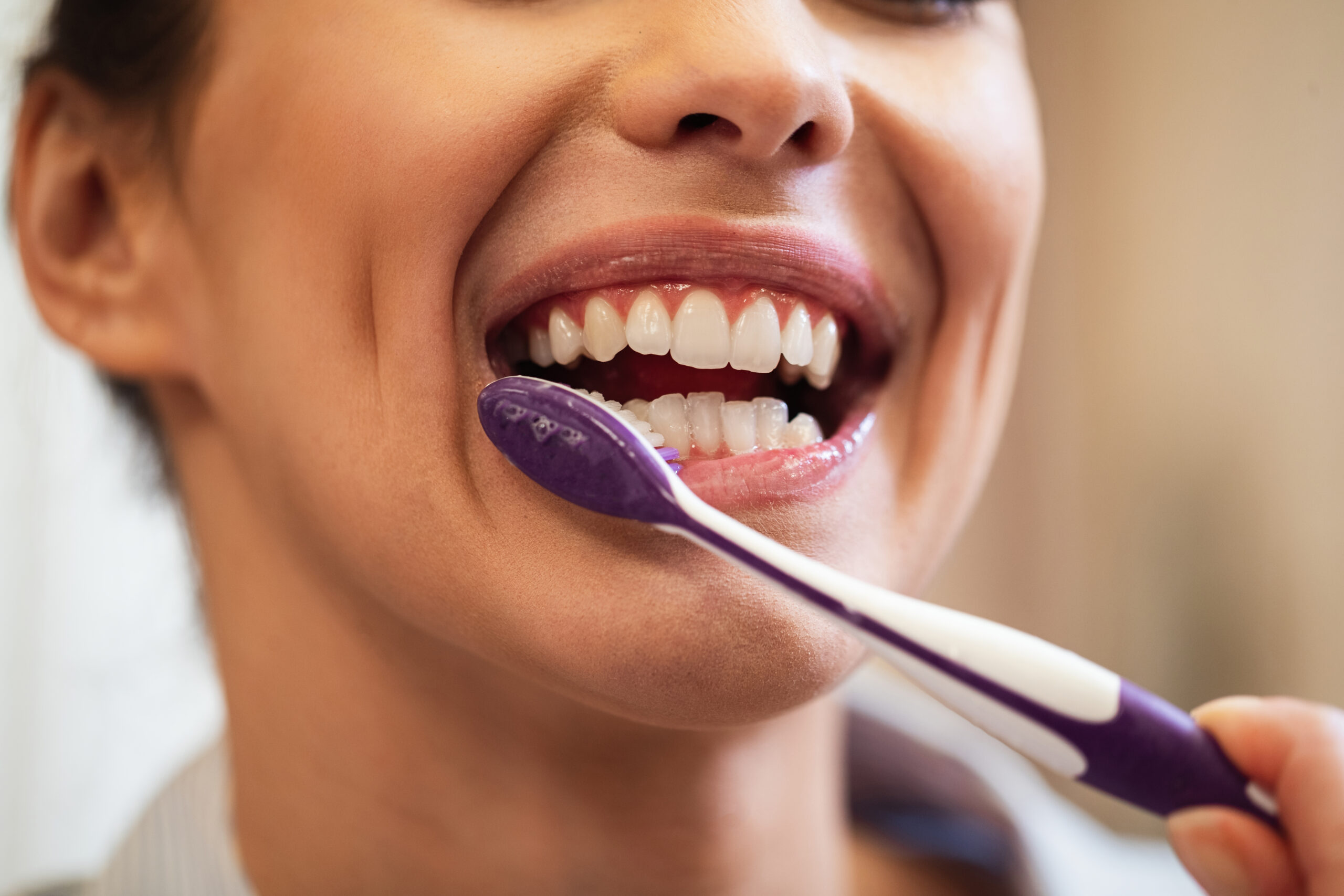
Brushing and flossing are fundamental practices that help prevent halitosis. Brush your teeth at least twice a day and floss once a day to remove food debris and plaque. It is also important that you clean your tongue, which can be done with a tongue scraper or a toothbrush, to help eliminate bacteria that cause halitosis. Regular visits to your family dentist are important for cleaning hard-to-reach areas where plaque and tartar can build up.
2. Hydrate
Dry mouth is a major cause of bad mouth odor. It is important that you drink plenty of water throughout the day to keep your mouth moist and help eliminate food bits and bacteria. If you are having dry mouth, you can try sucking on sugar-free lozenges or gum to help stimulate saliva production.
3. Use Mouthwash and Dental Products
An oral antimicrobial mouthwash can help reduce the bacteria that cause foul breath. Just make sure the mouthwash is non-alcoholic so it doesn’t further dehydrate the mouth. Brushing the teeth with fluoride toothpaste can help keep the mouth healthy and reduce foul mouth odor.
4. Eat a Balanced Diet
Some foods, such as onions, garlic, and very spicy foods, may cause foul-smelling breath, but they can be easily managed with proper oral hygiene. A healthy diet rich in fruits, vegetables, and grains helps encourage good oral hygiene practices, leading to fresher breath. Other foods that help clean teeth as you eat them include apples, carrots, and celery.
5. Quit Smoking
Tobacco products are not only responsible for bad breath in smokers but also cause gum diseases and other oral problems. Quitting smoking can lead to better oral health and fresher breath.
6. Manage Underlying Health Conditions
If you find yourself suffering from persistent foul breath despite maintaining optimal oral hygiene practices, it may indicate an underlying health condition. Issues like periodontal disease, respiratory problems, or gastrointestinal problems can cause persistent cases of halitosis. If you are concerned about your unpleasant mouth odor, you should speak with your general dentist in Chippewa Falls for appropriate guidance.
7. Regular Visits to the Dentist
Regular visits to a dentist’s office are essential in preventing and controlling foul-smelling breath. At the office, your dentist can identify and treat any oral conditions that may be causing unpleasant breath. This includes conditions like gum disease and tooth decay. In addition, you will receive advice on managing conditions that cause dry mouth.
Get Rid of Persistent Halitosis
Having bad breath can be frustrating, but there are things you can do to help control it. Practicing good oral hygiene, staying hydrated, eating a healthy diet, and addressing any other health problems you may have can all help reduce unpleasant mouth odor.
All set to take the initial step for enhanced oral care? If you have foul breath, it may be time for you to come to Willow Street Dental. Our team looks forward to helping you have a fresh smile! Get an appointment today, and let’s conquer your lifelong battle with bad breath and retain your bright smile for many years ahead!
FAQ – What Chippewa Falls Patients Want to Know About Dental Visits
1: How can I tell if my bad breath is caused by an oral issue or a health condition?
If you are practicing good oral hygiene and still have persistent bad breath, it may be a sign of gum disease or another oral health issue. A visit to your general dentist can help determine the cause and provide appropriate treatment.
2: Can my diet contribute to bad breath?
Yes, certain foods like garlic, onions, and coffee can contribute to bad breath. While they may cause temporary odors, maintaining proper oral hygiene can help minimize their effects.
3: Can a dry mouth cause bad breath?
Yes, dry mouth (xerostomia) reduces saliva production, allowing bacteria to grow and causing bad breath. Drink plenty of water and talk to your dentist about potential treatments for dry mouth.
4: How often should I visit my dentist for checkups?
It is generally recommended to visit your dentist every six months for a cleaning and checkup. However, if you have persistent bad breath or other oral health concerns, more frequent visits may be necessary.
5: Is bad breath always a sign of gum disease?
Not always. While gum disease is a common cause of persistent bad breath, it can also be caused by other factors, such as diet, dry mouth, or systemic health conditions. It’s important to consult with your dentist for a thorough evaluation.