123 W. Willow Street Chippewa Falls, WI 54729

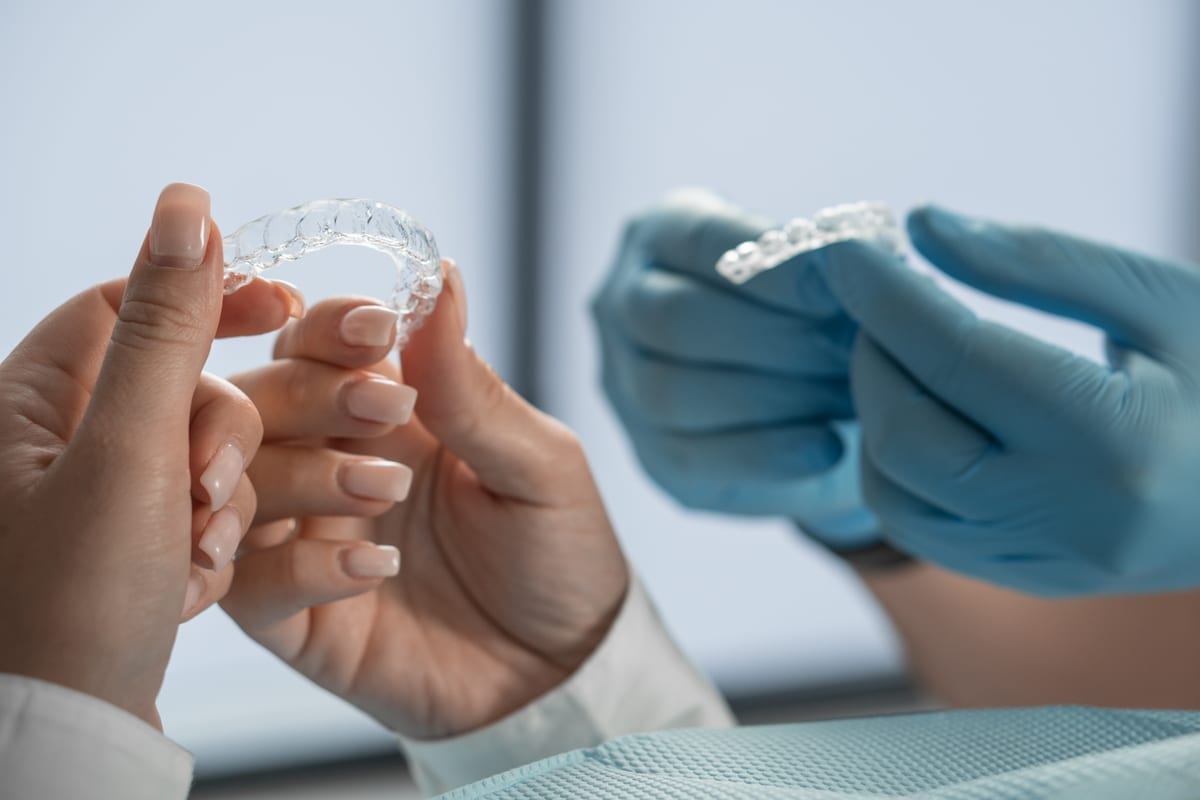
You spent months straightening your teeth with Invisalign. Your smile looks incredible. Then life gets busy, and you skip your retainer for a few weeks. Sound familiar? Understanding why your Invisalign results disappear without a retainer in Chippewa Falls is one of the most important things patients can learn. Dr. Curtis Calder at Willow Street Dental sees this happen more often than you might think — and it is entirely preventable.
What Happens to Your Teeth After Invisalign Ends
Invisalign gradually shifts your teeth into a new position. But teeth do not simply stay put once treatment ends. They are held in place by a network of fibers, ligaments, and bone. Those structures take time to fully stabilize around the new tooth positions.
Without a retainer, those fibers pull your teeth back toward where they started. Dentists call this orthodontic relapse. It can begin within days of stopping retainer use. The shift is often subtle at first — then suddenly very noticeable.
Younger patients tend to experience faster relapse. Their bone and tissue adapt quickly, which is great during treatment but works against you once it ends. Adults can also experience relapse, just sometimes at a slower pace.
Why Retainers Are Non-Negotiable in Chippewa Falls
Retainers are not optional accessories. They are the final phase of your Invisalign treatment. Skipping them means your investment in a straighter smile is at serious risk. This is one of the core reasons why your Invisalign results disappear without a retainer — your teeth simply have not yet learned their new home.
At Willow Street Dental, Dr. Calder fits patients with retainers immediately after completing Invisalign. There is no grace period where your teeth magically hold position. The transition from active aligners to retainers must be seamless.
Many patients are surprised to learn that retainers are a lifelong commitment — not just a short-term step. That does not mean wearing them all day forever. It means understanding that teeth continue to shift throughout your life, and retention is the only thing that counters that movement.
How Long Do You Actually Need to Wear Your Retainer
The timeline depends on your specific case, your age, and how significant your original tooth movement was. However, here is a general framework most dentists follow:
- First 3–6 months: Wear your retainer full-time, removing it only to eat and brush.
- 6 months to 1 year: Transition to nighttime-only wear as directed by your dentist.
- Year one and beyond: Most patients wear retainers every night indefinitely.
- Long-term maintenance: Even several years out, wearing a retainer a few nights per week protects your results.
Dr. Calder tailors this schedule for each patient at Willow Street Dental. Some cases require longer full-time wear. Others stabilize more quickly. No two smiles are exactly alike.
The key rule is simple: if your retainer feels tight when you put it back in, your teeth have already started to shift. That tightness is your early warning system. Do not ignore it.
Types of Retainers and Which One Is Right for You
Not all retainers are the same. There are two main types, and each has real advantages depending on your lifestyle and needs.
Removable retainers are the most common follow-up to Invisalign. They look similar to your aligners and are easy to take in and out. They require consistent daily discipline to be effective. Losing or forgetting them is the most common reason patients experience relapse.
Fixed or bonded retainers involve a thin wire bonded to the back of your front teeth. You cannot remove them, which makes compliance automatic. They require careful flossing and regular dental checkups to ensure they remain intact and clean.
Here is a quick comparison to help you understand the differences:
- Removable retainer: Easy to clean, requires daily discipline, can be lost or forgotten
- Fixed retainer: Always in place, no compliance issues, requires careful oral hygiene
- Combination approach: Some patients use both — a bonded wire plus a removable tray for added protection
Dr. Calder discusses all options with patients during their final Invisalign appointments. The goal is to find a retention plan that fits your lifestyle and protects your results long-term.
What to Do If Your Teeth Have Already Started to Shift
Do not panic if you notice movement. The earlier you act, the easier it is to correct. If you still have your retainer, try wearing it consistently for a few days. Minor shifts often resolve with renewed dedication to your wear schedule.
If your retainer no longer fits at all, contact Willow Street Dental right away. Forcing an ill-fitting retainer can damage your teeth. You may need a new retainer, or in some cases, a brief round of additional aligner treatment to get back on track.
Addressing early relapse is far simpler and less costly than correcting significant shifting later. Waiting only makes the situation more complex. Dr. Calder and the Willow Street Dental team are here to help patients in Chippewa Falls navigate exactly this kind of situation without judgment.
Protecting your smile also means keeping up with overall oral health. Conditions like gum disease can worsen tooth movement, so periodontal health directly supports your retention success. If you have had any dental concerns beyond alignment — including needing Root Canal Treatment — those are best addressed before or alongside your orthodontic journey.
The Connection Between Retention and a Confident Smile
Invisalign is part of a broader commitment to Cosmetic Dentistry that transforms how you feel about your smile. Retainers protect that transformation. They are the quiet, unglamorous final step that keeps the visible results intact.
Patients in Chippewa Falls who stay consistent with their retainer use enjoy lasting results for years — sometimes decades. Those who skip it often find themselves back at the start sooner than expected. The difference is entirely in the follow-through.
A retainer is a small daily habit with enormous long-term payoff. Think of it as the maintenance plan for your smile investment. You would not skip oil changes on a new car. The same logic applies here.
At Willow Street Dental, Dr. Curtis Calder is committed to making sure every Invisalign patient leaves with a clear, practical retention plan. Your results deserve to last. Book Now to schedule your appointment with our team.
Frequently Asked Questions
Why do teeth shift after Invisalign treatment ends?
Teeth shift after Invisalign because the bone and ligaments surrounding them need time to stabilize in their new positions. Without a retainer holding them in place, natural forces in the mouth gradually pull teeth back toward their original alignment. This process is called orthodontic relapse and can begin within days of stopping retainer use.
How soon do Invisalign results disappear without a retainer?
Relapse can begin within just a few days for some patients, especially younger ones whose tissue adapts quickly. In other cases, noticeable shifting may take a few weeks or months. Either way, the process starts immediately after active treatment ends if no retainer is worn consistently.
Can I restart retainer wear if I have already stopped for a while?
If your retainer still fits comfortably, you can restart wearing it right away. If it feels tight or does not fit properly, you should contact your dentist before forcing it. Wearing an ill-fitting retainer can cause discomfort or damage. Your dentist can assess whether your current retainer still works or whether you need a replacement.
Do I really need to wear a retainer forever?
Most orthodontic professionals recommend wearing a retainer indefinitely to prevent long-term relapse. This does not mean wearing it all day every day forever. After the initial stabilization phase, most patients transition to nighttime-only wear. Wearing it just a few nights per week long-term is usually enough to maintain your results.
What happens if my retainer breaks or gets lost?
Contact your dental office as soon as possible. The longer you go without a retainer, the more your teeth can shift. Your dentist can take a new impression or scan to fabricate a replacement retainer. Acting quickly helps minimize any movement that may have occurred during the gap in wear.