123 W. Willow Street Chippewa Falls, WI 54729


If you’ve been told that you need a dental bridge, the first thing running through your mind is probably: “Will it hurt?” That’s a valid concern, and you’re not the only one wondering about that. One reason so many put off dental work is that they don’t know what to expect. This guide lays it out simply what’s normal, what’s not, and when you should pick up the phone and call your dentist.
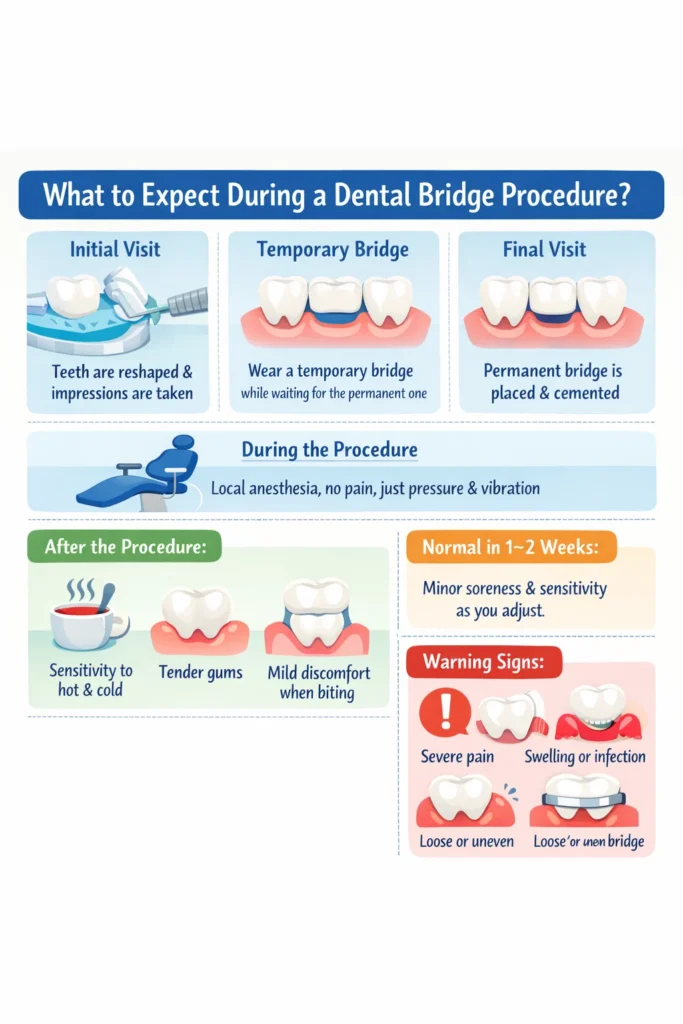
What to Expect During a Dental Bridge Procedure?
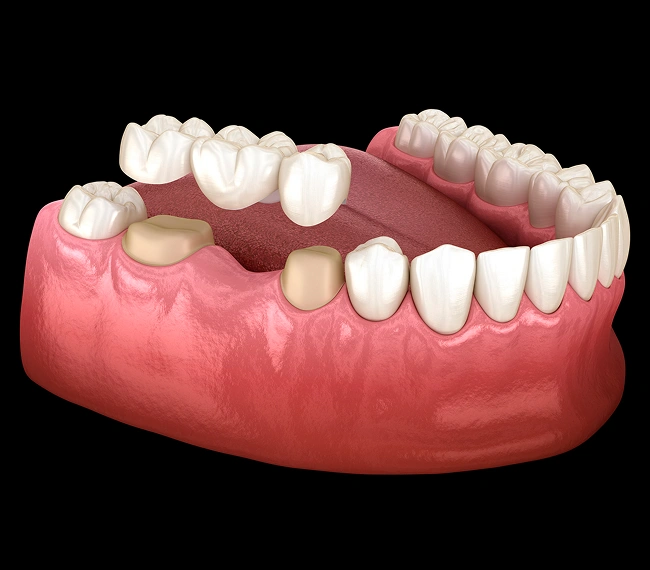
A dental bridge is used to replace a missing tooth. It employs the abutment teeth on each side of the gap as anchors, with a false tooth between them.
Here’s what that process usually looks like:
- Initial visit: The dentist sculpts the abutment teeth and takes impressions
- Temporary bridge: You’ll wear one until your permanent bridge is created
- Second visit: The permanent bridge is installed and cemented into place
The procedure is performed under local anesthesia, so you shouldn’t feel any pain during the appointment. Pressure or vibration is normal; actual pain isn’t.
Does Getting a Dental Bridge Hurt?
For anyone seeking dental bridges in Chippewa Falls, this is the number one question, and the answer is: not much, and not for long.
After the anesthesia wears off, most patients experience mild soreness or sensitivity. This is completely normal. Your surrounding teeth and gums are getting used to this new structure. Over-the-counter pain relief such as ibuprofen or acetaminophen is typically sufficient to control it.
What’s normal during the first few days:
- Slight sensitivity to hot or cold foods
- A little tenderness around the gum line
- Slight discomfort when biting
This usually resolves within 1 to 2 weeks.
When Pain Is a Warning Sign
Mild discomfort is expected. Pains that linger or get worse are not. If you have any of the following, it’s worth calling your dentist:
- Pain that worsens rather than improves after the first week
- Sharp, throbbing pain surrounding the bridge
- Persistent pain when biting down
- Swelling, redness, or signs of infection
- The bridge sounds loose or uneven
They might indicate problems such as a poorly fitted bridge, a bite that requires adjustment, or an underlying infection. Catching it early solves larger issues.
Living With a Dental Bridge: What to Expect Long-Term
After your bridge settles in, which typically takes about two weeks, people forget it’s even there. A properly fitted bridge works like natural teeth. You can eat, talk, and work as you want.
That said, long-term comfort largely depends on how you take care of dental bridges in Chippewa Falls.
Tips to make your bridge pain-free:
- Use a floss threader or water flosser to floss daily under the bridge
- Do not eat hard, sticky foods that can loosen or break the bridge
- Make regular visits to your dentist — bridges generally have a life span of 10–15 years with proper care
- If you grind your teeth at night, ask about a night guard
Ongoing research in the Chippewa Falls area has shown that patients with good oral hygiene care tend to have significantly less sensitivity or discomfort over time.
What About Dental Implants or Dentures Instead?
Bridges are not the only alternative to missing teeth; dental implants are a long-term solution that does not depend on surrounding teeth for support. Although the surgical placement of an implant typically requires a longer recovery period than a dental bridge, many patients report they feel it’s worth the extra time invested. Another option is to use a removable denture, which can often replace multiple missing natural teeth.
To determine which type of replacement tooth option makes the most sense for you, your dentist will consider several factors, including the following: the condition of the remaining bone in your jaw, your financial situation or budget, and how many teeth need replacing. If you are not sure whether dental implants or dentures will be the best alternative to a bridge, ask about the advantages and disadvantages of both types of replacement tooth alternatives before coming to a decision.
Are Some People More Sensitive Than Others?
Yes, patients with gum disease or weak enamel may be at an increased risk of sensitivity after dental bridge placement. That’s why it is important to have a thorough evaluation of both the condition of your teeth and gums before having any replacement tooth option placed, so that if you have an underlying condition — swelling, decay involving adjacent teeth, or gum recession your dentist can properly treat it.
If you are experiencing or have had tooth or gum sensitivity, your dentist may suggest using a sensitivity toothpaste or provide specific post-operative instructions to help minimize discomfort during your recovery period.
Conclusion: You Don’t Have to Keep Putting It Off
Getting dental bridges in Chippewa Falls is an easy and proven process. A little soreness is to be expected, but pain will not last or be excessive. Going into the procedure informed and following aftercare instructions will help provide a smooth experience.
Willow Street Dental, Dr. Curtis Calder, and our team work hard to give you the comfort and security you are looking for as you go through the various steps of your dental bridge. If you’re looking for bridges or just gathering information, our team is here to answer questions and guide you through all aspects of the procedure.
Ready to Take the Next Step?
Contact Willow Street Dental to schedule a consultation if you are interested in a dental bridge or would like to learn about options for replacing missing teeth. Chippewa Falls dentist Dr. Calder’s goal is to provide outstanding care within the community he loves.
Schedule an appointment with us today by phone or online.
Common Questions People Ask
How long does it take to get used to a dental bridge?
Most patients adjust within one to two weeks. Full comfort typically sets in once the gum tissue heals.
Can a dental bridge fall out?
It can loosen over time, especially if the cement wears down or if there’s decay under the bridge. Regular checkups help catch this early.
Is the bridge procedure done in one day?
Usually not. It takes at least two appointments — one to prepare the teeth and take impressions, and a second to place the permanent bridge.
Can I eat normally with a dental bridge?
Yes, once it’s fully settled. Avoid very hard or sticky foods that could damage or dislodge it.
How do I clean under a dental bridge?
Use a floss threader, interdental brushes, or a water flosser to clean underneath the bridge where a regular toothbrush can’t reach.