123 W. Willow Street Chippewa Falls, WI 54729


A cracked tooth can feel alarming — especially when it happens at night or over a weekend. If you’re in Chippewa Falls and asking yourself what to do right now, you’re in the right place. Dr. Curtis Calder and the team at Willow Street Dental want you to feel calm and informed. This guide walks you through every step before you reach our office.
Knowing what to do in the first few hours can protect your tooth and reduce pain. It can also prevent a small problem from becoming a much bigger one. Read on for clear, practical advice you can act on immediately.
How to Tell If Your Tooth Is Actually Cracked
Not every crack looks the same, and some are easier to spot than others. You might see a visible line running down the tooth surface. Other times, the crack is too small to see with the naked eye.
Common signs of a cracked tooth include:
- Sharp pain when biting or chewing
- Sudden sensitivity to hot or cold temperatures
- Intermittent aching that comes and goes
- A rough or jagged edge you can feel with your tongue
- Swelling around the gum near the affected tooth
Pain that comes and goes is a classic signal. If it hurts when you release bite pressure — not just when you apply it — that often points to a crack. Don’t ignore these symptoms. The sooner you act, the better your outcome.
What to Do Right Now in Chippewa Falls Before Your Appointment
If you’ve cracked a tooth, your first priority is managing discomfort and protecting the area. These steps will help you stay comfortable until you can be seen by Dr. Calder.
Here’s what to do immediately:
- Rinse gently with warm salt water. This cleans the area and reduces bacteria around the crack.
- Apply a cold pack to your cheek. Use it in 10-minute intervals to reduce any swelling.
- Take an over-the-counter pain reliever. Ibuprofen or acetaminophen can ease discomfort. Follow the dosage on the packaging.
- Cover a jagged edge with dental wax. Find it at any pharmacy. It protects your tongue and inner cheek from sharp edges.
- Avoid chewing on that side. Stick to soft foods and keep pressure off the tooth.
These steps won’t fix the crack — only a dentist can do that. But they will keep you more comfortable and reduce your risk of making things worse before your visit.
What You Should Avoid After Cracking a Tooth
Some common instincts can actually cause more harm than good. Knowing what to avoid is just as important as knowing what to do. Keep these cautions in mind from the moment the crack happens.
Avoid these common mistakes:
- Do not chew ice, hard candy, or crunchy foods on the cracked side
- Do not apply aspirin directly to the tooth or gum — it can cause tissue burns
- Do not use very hot or very cold beverages, as they aggravate sensitivity
- Do not delay calling your dentist — waiting often leads to infection or deeper damage
- Do not attempt to file or smooth the tooth yourself
Temperature extremes are especially risky. A cracked tooth exposes the inner dentin layer, which is highly sensitive. Even a sip of cold water can send a sharp jolt of pain through the tooth.
Delaying care is the most common mistake people make. What starts as a hairline crack can become a full fracture if you continue chewing on it. That could mean the difference between a simple crown and a tooth extraction.
When a Cracked Tooth Becomes a Dental Emergency
Some cracks are urgent and need same-day attention. Knowing the warning signs helps you decide how quickly to act. If you’re experiencing any of the following, contact Willow Street Dental right away.
Seek Emergency Dentistry Chippewa Falls care immediately if you notice:
- Severe, throbbing pain that won’t ease with pain medication
- Visible bleeding from around the tooth or gum
- A piece of the tooth has broken off completely
- Significant swelling in your jaw, face, or neck
- Pus or a bad taste, which may indicate infection
Infection is especially serious. Left untreated, it can spread beyond the tooth. Dr. Calder prioritizes dental emergencies and works to get patients seen as quickly as possible.
Even if your pain feels manageable, don’t wait more than 24 to 48 hours. The sooner a dentist evaluates the crack, the more treatment options you’ll have available.
What Treatment Options Look Like for a Cracked Tooth
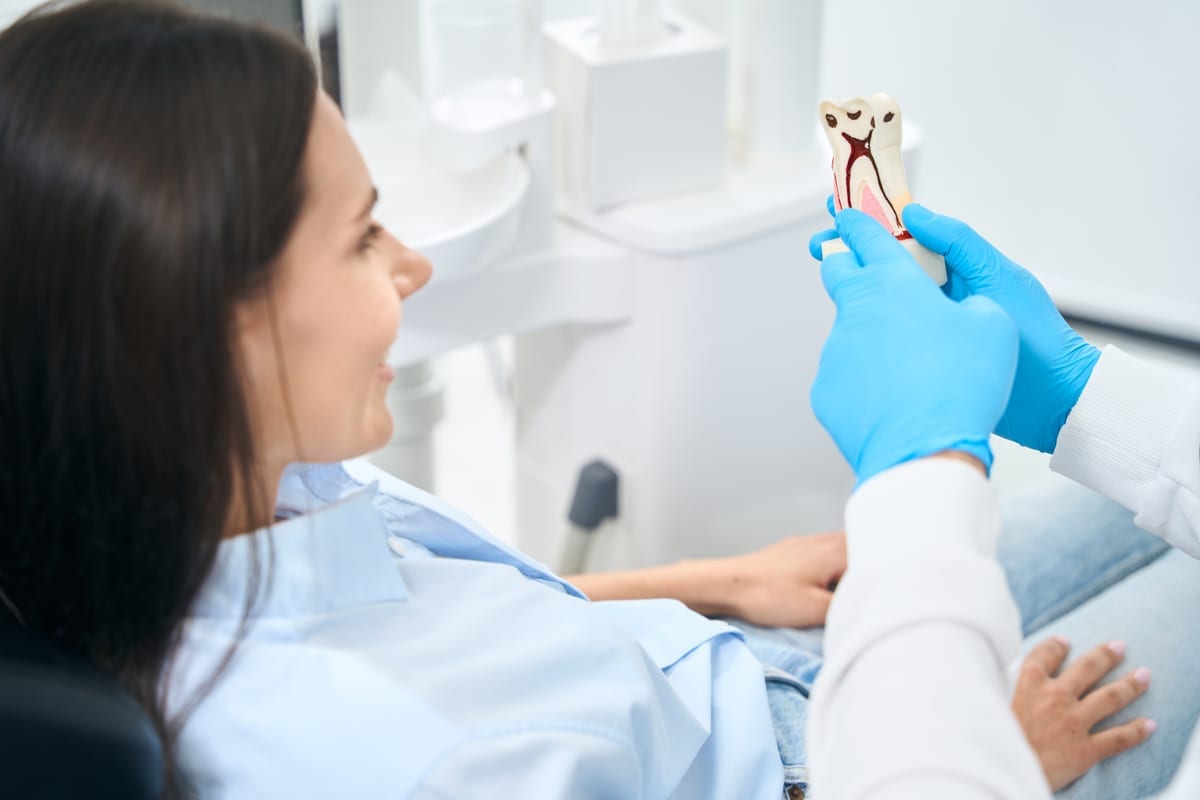
Treatment depends on the location and severity of the crack. After Dr. Calder examines your tooth, he’ll walk you through every option clearly. Here’s a general overview of what to expect.
Minor surface cracks may only need smoothing or bonding. Moderate cracks often require a dental crown to hold the tooth together and prevent spreading. Deeper cracks that reach the pulp may need root canal treatment before a crown is placed.
In some cases, a tooth that is cracked below the gum line cannot be saved. In that situation, extraction and tooth replacement options — such as a dental bridge — may be discussed. Rest assured, Dr. Calder will always explain your choices and let you decide what works best for you.
If the crack has affected the appearance of your smile, Cosmetic Dentistry Chippewa Falls services may also be part of your recovery plan. Restoring your smile is just as important as restoring your tooth’s function.
Conclusion: Don’t Wait — Willow Street Dental Is Here for You
A cracked tooth doesn’t have to become a dental disaster. Acting quickly, staying calm, and following the steps above will put you in a much better position. Dr. Curtis Calder and the team at Willow Street Dental are ready to help Chippewa Falls patients get back to comfortable, confident smiles. Book Now to schedule your appointment with our team.
Frequently Asked Questions
Can a cracked tooth heal on its own?
No, a cracked tooth cannot heal itself. Unlike bones, teeth do not have the ability to regenerate or repair cracks. The crack can grow larger over time without treatment, leading to more pain and potentially more complex procedures. See a dentist as soon as possible to protect the tooth.
Is a cracked tooth always painful?
Not always. Some cracks, especially small hairline fractures, may cause little to no pain at first. That’s what makes them easy to ignore. Pain often increases as the crack deepens or reaches the nerve. If you suspect a crack, get it evaluated even if discomfort seems mild.
What’s the difference between a cracked tooth and a broken tooth?
A crack is a fracture that may or may not go all the way through the tooth structure. A broken tooth typically involves a visible piece separating from the rest of the tooth. Both are serious and need prompt dental attention. The treatment path will depend on how much of the tooth is affected.
How long can I wait before seeing a dentist about a cracked tooth?
Ideally, you should contact your dentist within 24 hours of noticing a crack. If you have severe pain, swelling, or visible damage, treat it as an emergency and call the same day. Waiting too long risks infection and may reduce the number of treatment options available to save the tooth.
Will I need a crown for a cracked tooth?
A dental crown is one of the most common treatments for a cracked tooth, but it isn’t always required. Minor cracks may be repaired with bonding or smoothing. Dr. Calder will assess the size, depth, and location of the crack before recommending the most appropriate and conservative treatment option for your situation.