123 W. Willow Street Chippewa Falls, WI 54729


If you have an upcoming crown procedure, you are not alone in feeling nervous. Many patients in Lake Hallie tell us the unknown is the hardest part. Understanding your dental crown appointment — what to expect from start to finish in Lake Hallie — can make the whole experience feel far less daunting. At Willow Street Dental, Dr. Curtis Calder and our team walk every patient through each step with care and clear communication.
Why Dental Crowns Are Sometimes Necessary
A dental crown is a tooth-shaped cap placed over a damaged or weakened tooth. It restores the tooth’s shape, strength, and function. Crowns are often recommended after a root canal, for a cracked tooth, or to protect a tooth with a large filling.
They also play a role in restorative and Cosmetic Dentistry Lake Hallie treatments. A crown can improve the look of a misshapen or severely discolored tooth. Understanding why you need one helps you feel more confident going into your appointment.
Dr. Calder will always explain his recommendation before any treatment begins. If you have questions about your specific situation, our team encourages you to ask. An informed patient is a relaxed patient.
What to Expect During Your First Crown Appointment: Numbing and Tooth Preparation
Most crown procedures require two visits. Your first appointment focuses on preparing the tooth and taking impressions. Here is what typically happens during that first visit:
- Dr. Calder numbs the area with a local anesthetic
- The tooth is reshaped to allow the crown to fit properly
- Impressions or digital scans are taken of your teeth
- A temporary crown is placed to protect the tooth
- Your permanent crown is sent to a dental lab for fabrication
The numbing injection is often the part patients dread most. In reality, it takes only a few seconds. Most patients feel pressure but very little actual pain after the anesthetic takes effect.
Reshaping the tooth involves removing a small amount of enamel. This creates the right amount of space for the crown to sit naturally. The process is precise and comfortable once you are fully numb.
Impressions capture the exact shape of your bite. Digital scanning technology has made this step faster and more comfortable than older putty-based methods. The scan data travels directly to the lab to guide crown fabrication.
Living With Your Temporary Crown in Lake Hallie
Once your tooth is prepared, a temporary crown protects it until your permanent one is ready. Temporaries are made from acrylic resin and are not as strong as the final crown. They typically stay in place for one to three weeks.
Here are a few practical tips for caring for your temporary crown:
- Avoid sticky or chewy foods like caramel or gum
- Chew on the opposite side of your mouth when possible
- Brush gently around the temporary crown
- Floss carefully — slide the floss out rather than lifting it up
Some mild sensitivity to hot, cold, or pressure is normal with a temporary crown. This usually fades after the permanent crown is placed. If you experience sharp pain or the temporary crown falls off, contact Willow Street Dental right away.
A loose or missing temporary crown may qualify as an Emergency Dentistry Lake Hallie visit. Do not leave the tooth unprotected for long. Exposed dentin is sensitive and more vulnerable to bacteria.
Your Second Appointment: Final Crown Placement and Fit
Your second visit is typically shorter and more straightforward than the first. The permanent crown arrives from the lab, and Dr. Calder checks its fit before cementing it in place. This appointment usually takes about 30 to 60 minutes.
Here is what happens during final crown placement:
- The temporary crown is gently removed
- The tooth is cleaned to prepare the surface
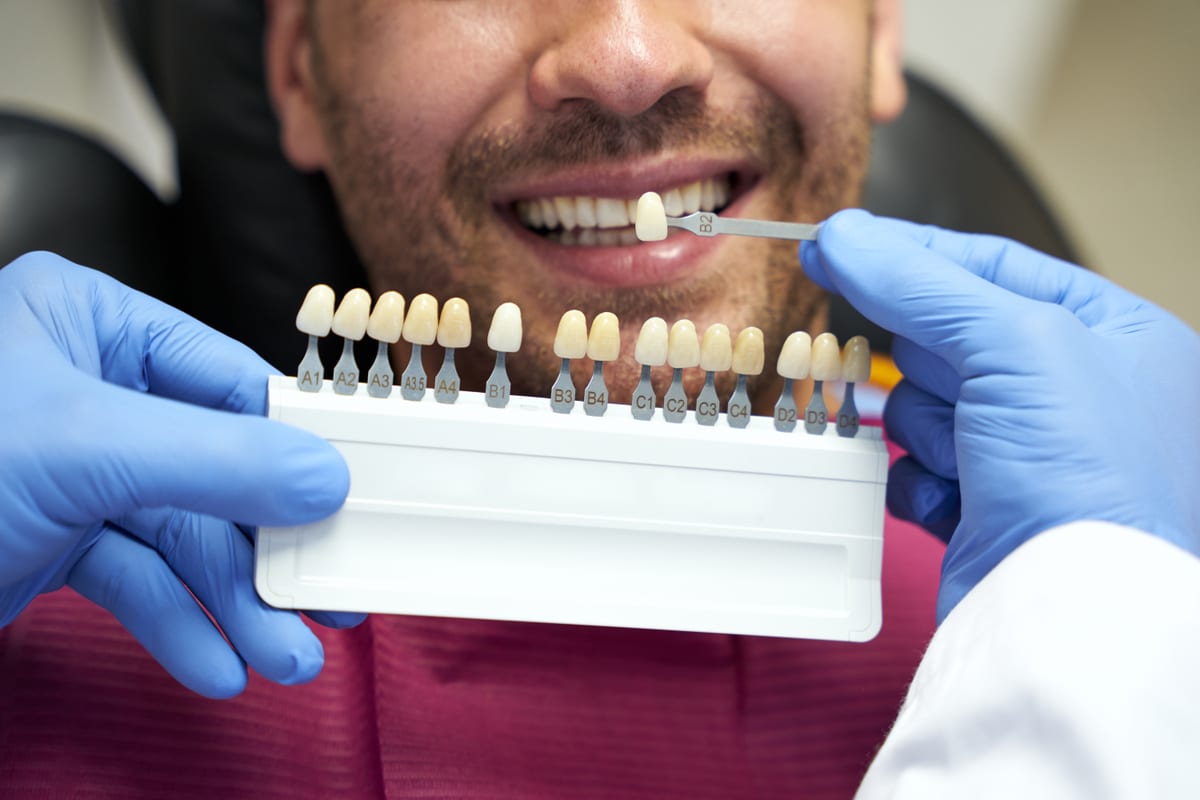
- Dr. Calder checks the crown’s color, shape, and bite alignment
- Minor adjustments are made if needed for a perfect fit
- The crown is permanently cemented onto the tooth
You may receive a mild local anesthetic for this appointment, though many patients do not need it. Dr. Calder will discuss this with you before proceeding. Your comfort always comes first.
After cementation, Dr. Calder checks your bite carefully. You should be able to close your teeth together naturally and comfortably. If something feels off in the days following your appointment, call us and we will adjust it quickly.
How to Care for Your New Crown Long-Term
A well-made, well-maintained crown can last 10 to 15 years or longer. Good habits at home and regular dental visits are the keys to protecting your investment. Treat your crown just as you would a natural tooth.
Brush twice daily with a soft-bristled toothbrush. Floss around the crown each day, paying attention to where the crown meets the gumline. Bacteria can still accumulate at that margin if you skip flossing.
Avoid habits that can crack or chip a crown. These include chewing ice, biting your nails, or using your teeth to open packages. If you grind your teeth at night, ask Dr. Calder about a custom nightguard.
Keep up with your routine check-ups at Willow Street Dental. Dr. Calder will monitor the crown at each visit and catch any early issues before they become bigger problems.
Schedule Your Crown Appointment at Willow Street Dental
Understanding your dental crown appointment — what to expect from start to finish in Lake Hallie — is the first step toward feeling comfortable with treatment. The process is predictable, well-managed, and designed with your comfort in mind. Dr. Curtis Calder and our team at Willow Street Dental are here to guide you through every stage.
We proudly serve patients in Lake Hallie, Chippewa Falls, and the surrounding communities of western Wisconsin. Our goal is always to help you leave our office healthier and more confident than when you arrived. You deserve a dental experience that feels supportive from start to finish.
Do not let anxiety keep you from the care your smile needs. Book Now to schedule your appointment with our team.
Frequently Asked Questions
How long does a dental crown procedure take in total?
Most crown procedures require two appointments. The first visit usually takes 60 to 90 minutes for tooth preparation and impressions. The second visit, for final placement, typically takes 30 to 60 minutes. Your total treatment time from start to finish is usually one to three weeks.
Will getting a dental crown hurt?
Dr. Calder uses local anesthesia to numb the area completely before starting. Most patients feel pressure but not pain during the procedure. Some mild soreness or sensitivity is normal for a few days after each appointment. Over-the-counter pain relievers typically manage any discomfort well.
Can a crown fall off after it is permanently placed?
It is uncommon for a permanently cemented crown to fall off, but it can happen over time. Causes may include a weakened tooth structure, decay underneath the crown, or a compromised cement bond. If your crown loosens or comes off, contact Willow Street Dental as soon as possible. Prompt attention prevents further damage to the tooth.
How do I know if I need a crown or a different restoration?
Dr. Calder evaluates each tooth individually using X-rays and a clinical exam. Crowns are usually recommended when more than half the tooth structure is damaged or missing. Smaller cavities often only need a filling. Dr. Calder will explain all your options and help you choose the most appropriate treatment for your specific tooth.
Is there anything I should do to prepare for my crown appointment?
Eat a normal meal before your appointment, since the anesthesia may make eating uncomfortable for a few hours afterward. Wear comfortable clothing and arrive a few minutes early to complete any paperwork. Let Dr. Calder know about any medications you are taking or any dental anxiety you experience. Our team will take every step to make you feel at ease.